Introduction
In today’s fast-moving global economy, efficient logistics are the backbone of successful businesses. From manufacturing plants to retail shelves, goods must move seamlessly across regions. This is where understanding How Road Freight Powers Modern Supply Chains becomes essential.
Road freight plays a critical role in connecting suppliers, warehouses, ports, and final delivery destinations. Whether transporting raw materials or delivering last-mile packages, road transport remains one of the most flexible and reliable logistics methods in 2026.
What Is Road Freight?
To fully grasp How Road Freight Powers Modern Supply Chains, it’s important to define road freight logistics.
Road freight refers to transporting goods using trucks and commercial vehicles over land routes. It can operate domestically or across international borders, making it a highly versatile transport method.
Common types of road freight include:
Full Truckload (FTL) shipping
Less-than-Truckload (LTL) shipping
Cross-border freight
Domestic distribution
Last-mile delivery
This flexibility allows businesses to customize logistics solutions based on cargo size and delivery timelines.
The Backbone of Domestic Logistics
One of the main reasons How Road Freight Powers Modern Supply Chains is its dominance in domestic distribution.
Unlike air or ocean freight, which rely on ports and airports, road transport can reach virtually any location. From industrial zones to rural retail outlets, trucks ensure goods are delivered directly where needed.
Key advantages include:
Door-to-door delivery
Faster domestic transit
Direct routing without transshipment
This makes road freight indispensable for local and regional supply chains.
Seamless Port and Airport Connectivity
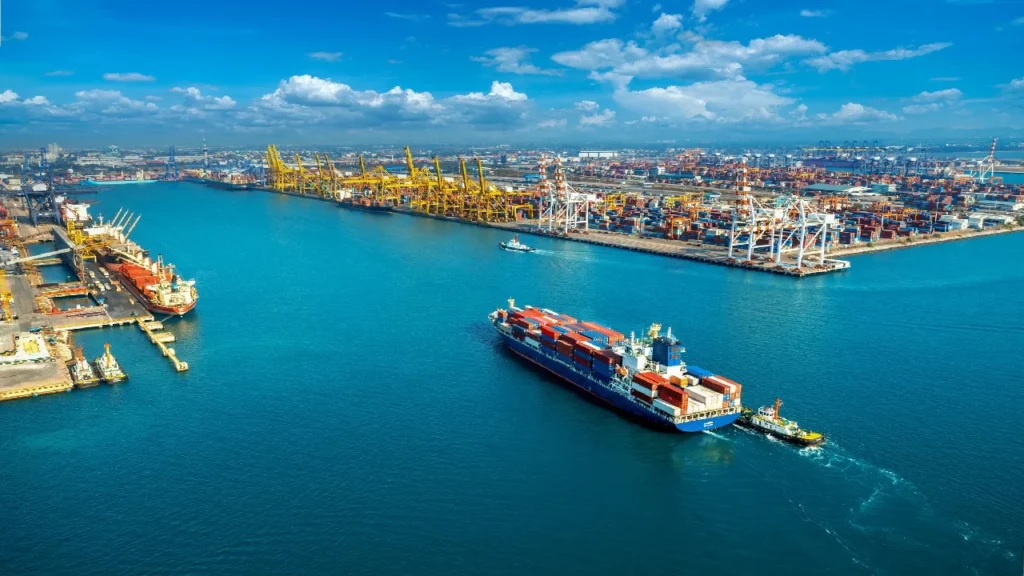
Even when goods travel by air or sea, road freight completes the journey. It acts as the critical bridge between transport modes.
For example:
Moving containers from ports to warehouses
Delivering imported goods to distribution centers
Transporting exports to shipping terminals
Without efficient road transport, multimodal logistics would collapse. This connectivity explains How Road Freight Powers Modern Supply Chains globally.
Flexibility and Scalability
Road freight offers unmatched adaptability compared to other transport methods.
Customizable Load Sizes
Businesses can choose between FTL and LTL options depending on cargo volume.
Route Flexibility
Trucks can adjust routes based on traffic, weather, or urgent deliveries.
On-Demand Shipping
Unlike fixed airline or shipping schedules, road transport allows real-time dispatching.
This scalability makes road freight ideal for dynamic supply chain environments.
Full Truckload (FTL) vs Less-than-Truckload (LTL)
Understanding shipping options helps businesses optimize costs and efficiency.
Full Truckload (FTL)
FTL involves dedicating an entire truck to a single shipment.
Benefits include:
Faster transit times
Reduced handling risks
Ideal for large shipments
Less-than-Truckload (LTL)
LTL combines multiple shipments into one truck, reducing costs.
Best suited for:
Small businesses
Partial loads
Budget-conscious shipping
Choosing the right method improves logistics performance.
Faster Last-Mile Delivery
Last-mile delivery is one of the most complex aspects of logistics. Road freight excels in this critical stage.
With the rise of e-commerce, customer expectations for rapid delivery have increased dramatically. Trucks and delivery vans ensure goods reach homes and businesses quickly.
Benefits include:
Real-time tracking
Same-day or next-day delivery
Improved customer satisfaction
This capability is a key reason How Road Freight Powers Modern Supply Chains in the digital era.
Cost-Effective for Short and Medium Distances
While ocean freight dominates long-haul shipping, road transport is more economical for short and medium distances.
Factors influencing cost efficiency include:
Lower handling requirements
Direct routes
Reduced warehousing needs
For regional distribution, road freight often delivers the best balance of speed and affordability.
Critical for Perishable Goods
Certain industries rely heavily on road freight for timely delivery.
Examples include:
Food and beverages
Pharmaceuticals
Agriculture
Floral supply chains
Temperature-controlled trucks ensure freshness and compliance with safety standards. This makes road freight indispensable for time-sensitive goods.
Sustainability in Road Freight
Environmental concerns are driving major changes in road logistics.
Key developments include:
Electric delivery vehicles
Alternative fuels like hydrogen and LNG
Carbon tracking systems
Optimized delivery routes
Many companies are adopting green logistics strategies to reduce emissions while maintaining efficiency.
This shift ensures road freight remains relevant in a sustainability-focused future.
Challenges to Consider
Despite its advantages, road freight comes with challenges.
Traffic Congestion
Urban areas often face delays due to heavy traffic.
Fuel Price Volatility
Rising fuel costs can impact transportation budgets.
Regulatory Compliance
Cross-border shipments must comply with varying regulations.
Driver Shortages
Many regions face shortages of skilled truck drivers.
Addressing these challenges requires strategic planning and strong logistics partnerships.
Road Freight Trends in 2026
The logistics landscape continues to evolve rapidly. Here are key trends shaping the future.
Autonomous Trucks
Self-driving truck trials are gaining momentum in developed markets.
Smart Infrastructure
Connected highways improve traffic flow and safety.
Urban Micro-Fulfillment
Smaller urban warehouses reduce delivery distances.
Integrated Multimodal Logistics
Seamless integration between road, air, and sea transport is becoming standard.
These trends highlight the evolving role of road freight in supply chains.
Why Road Freight Will Always Matter
Despite advancements in air and sea transport, road freight remains irreplaceable.
Its ability to provide:
Direct delivery
Flexible routing
Fast last-mile fulfillment
ensures it will remain a cornerstone of logistics networks.
As supply chains become more complex, the role of road transport will only expand.
Final Thoughts
Understanding How Road Freight Powers Modern Supply Chains is crucial for businesses navigating today’s logistics landscape. From connecting ports to warehouses and enabling last-mile delivery, road freight supports nearly every stage of the supply chain.
Its flexibility, accessibility, and evolving technology make it indispensable for modern logistics operations. While challenges exist, ongoing innovations in automation, sustainability, and digitalization are strengthening road freight’s position.
As we move further into 2026 and beyond, businesses that embrace road freight strategically will gain a competitive edge through faster deliveries, optimized costs, and improved supply chain resilience.